Moving a vehicle isn’t just about hiring a truck and hoping for the best. It’s about timing, documentation, climate, neighborhood access, and your tolerance for risk. Working with Anaheim auto shippers adds another layer, because Southern California has its own traffic rhythms, seasonal demand spikes, and a unique mix of residential rules and commercial logistics. If you plan well and choose thoughtfully, you can move anything from a daily driver to a collectors’ coupe without drama.
I’ve moved cars into and out of Orange County for years, including a 1968 Mustang that needed covered transport during wildfire season and a lifted SUV that couldn’t fit down a narrow cul-de-sac without some choreography. The lessons below come from those runs, plus patterns I’ve seen across Anaheim auto transport companies that specialize in Southern California corridors.
How Anaheim’s geography and traffic affect shipping
Orange County’s blend of suburbs, resorts, and industrial pockets complicates pickup and delivery. If you’re near Disneyland Resort, Angel Stadium, or the Convention Center, expect congestion windows that can tack thirty to sixty minutes onto a carrier’s arrival. School zones around Anaheim Hills, and limited street parking in tighter neighborhoods like the Colony District, create access challenges for full-length car haulers. Some streets also limit commercial vehicle stops during certain hours, which means a carrier might ask to meet at a wider arterial road or a nearby parking lot that allows large rigs.
The freeways matter. The 5 and 91 carry heavy commuter loads, especially on weekday mornings and late afternoons. If you can be flexible, opt for midday or late evening handoffs. Weekend mornings often work well, except during special events or home games. Communicating with the dispatcher a day ahead helps fine tune the window and avoid missed connections that lead to redelivery fees.
Climate is another consideration. Most of the year you’ll see mild temperatures, but late summer heat can push cabin temps high enough to affect batteries on rarely driven cars. In autumn, wildfire smoke can justify enclosed transport for high-value vehicles, particularly those with light interiors or fresh paint. If the vehicle will sit in the sun during staging or at a terminal, ask for shade or a cover, and crack the windows a touch to protect seals if the carrier agrees and security allows.
Broker vs. carrier, and what that means for you
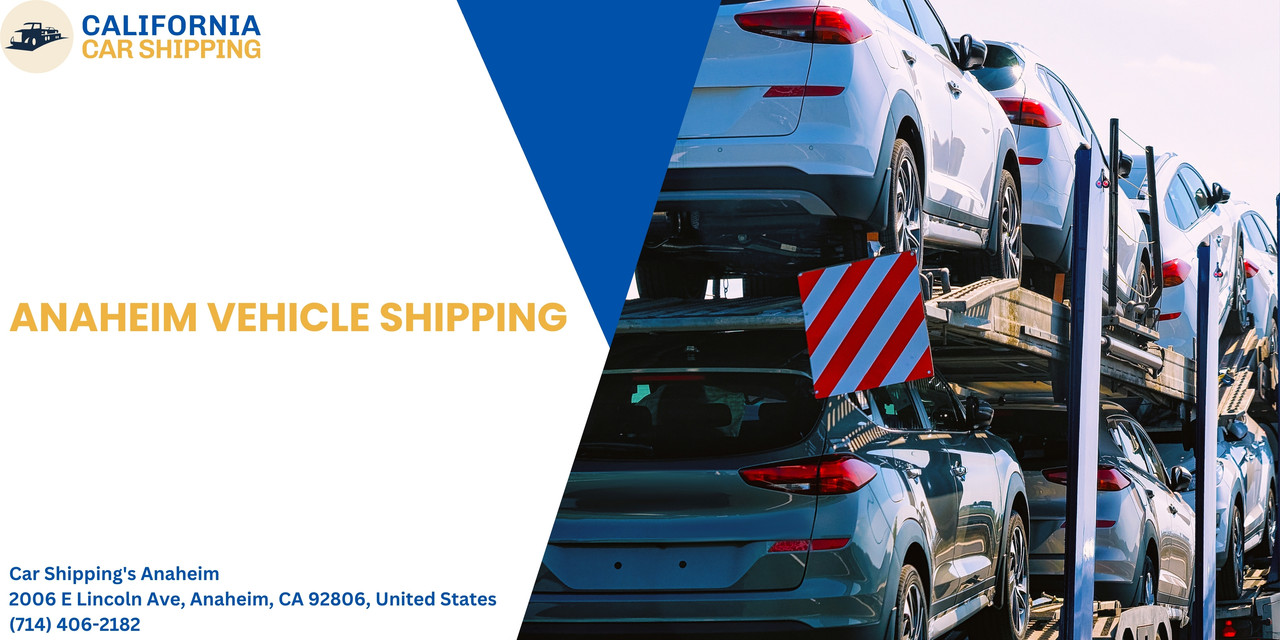
Many Anaheim auto transport companies are brokers, not fleet operators. That’s not a negative. A good broker maintains a network of vetted carriers, checks insurance, and matches your timeline to the right truck. The trade-off is communication depth. A direct carrier can share truck location and realistic ETAs, while a broker relays the same info secondhand. In crunch periods, a broker often secures capacity faster.
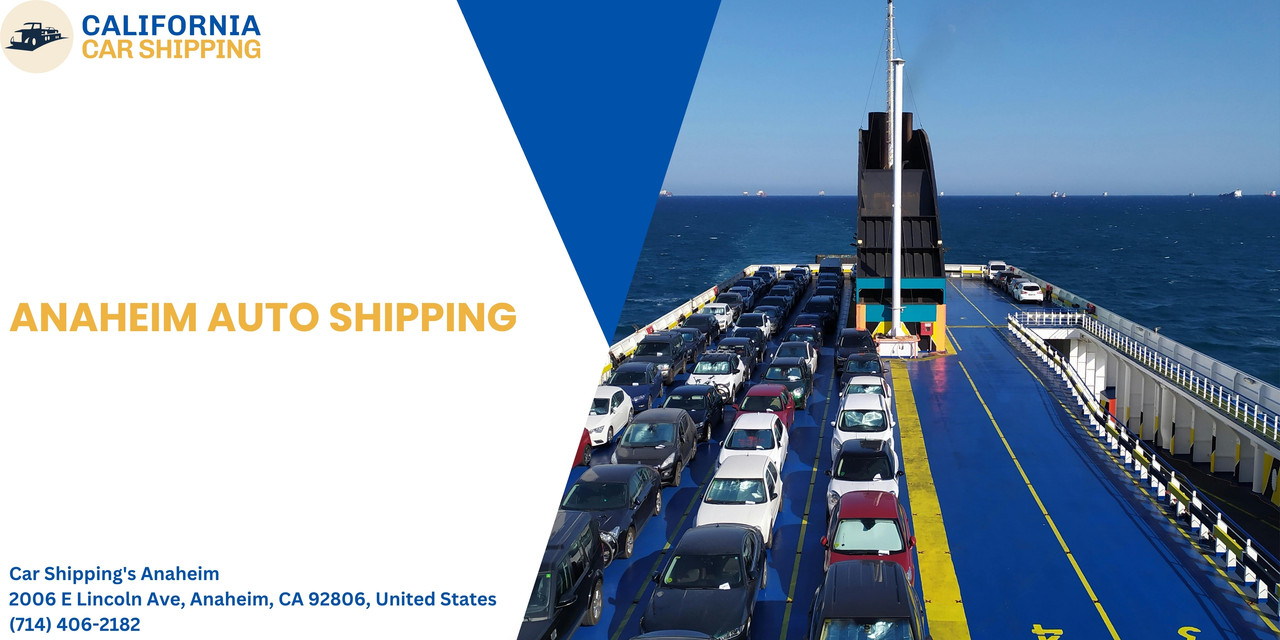
If you prefer a single point of accountability and direct updates, ask whether the company runs its own trucks. If you need multiple options on routes and price, a broker with strong Southern California relationships can outperform a single-fleet carrier. I’ve had success using a broker to source an enclosed trailer on short notice when the original carrier’s liftgate failed, and I’ve also had a smooth point-to-point with a local carrier who knew exactly which streets in West Anaheim were friendly to 75-foot rigs.
Pricing basics that actually hold up
Expect per-mile pricing across long routes and flat or minimum fees for short hops. On common lanes like Anaheim to Phoenix or the Bay Area, competition keeps rates reasonable. On less common routes, say Anaheim to a rural mountain town, carriers price in deadhead miles and access risk. I typically see open transport from Southern California to nearby Western states fall into a mid-three to low-four-digit range, while enclosed runs can cost 30 to 60 percent more. Short local moves under Anaheim auto transport Car Shipping's Anaheim 50 miles may feel expensive for the distance because you pay for the equipment and driver time more than miles.
Seasonal swings are real. Late spring and early summer get busy with relocations and college moves, and late fall around the holidays can tighten capacity. Booking a week or two in advance usually secures a stronger rate. Same-day requests are possible, but you pay for the scramble.
Insurance also affects price. A carrier with higher cargo limits and a better safety record often costs more. For luxury vehicles or modified cars, I consider that premium worth it. If a quote looks suspiciously low, ask what the cargo limit is per vehicle and whether the policy covers theft and weather events, not just collisions.
Open vs. enclosed transport, with Anaheim-specific nuance
Open trailers handle the bulk of Anaheim auto transport, and for good reason. They’re efficient, easier to schedule, and cost less. For daily drivers, lightly used family cars, and vehicles with robust paint, open transport is typically the smart choice. Consider enclosed transport when you have a low-slung sports car, fresh ceramic coating, soft-top convertible, or a classic with delicate trim that you want insulated from road debris and soot. Autumn smoke or Santa Ana winds tilt the calculus toward enclosed service, especially if your vehicle will sit staged near major construction or interchange ramps.
Loading hardware matters too. Some enclosed trailers offer liftgates, which are gentler on low-clearance vehicles than long ramps. If your car sits under four inches of clearance, request a liftgate explicitly. For modified SUVs and trucks, check total height and width, especially if you have roof racks, light bars, or wide offset wheels. A carrier can handle it, but they need to plan position on the deck to meet axle weight rules and bridge laws.
The paperwork you actually need
Your driver will issue a bill of lading at pickup and delivery. That document doubles as a condition report and a receipt. The most important part is the vehicle inspection on both ends. This is where damage disputes live or die. I photograph all four corners, plus close-ups of wheels, roof, hood, trunk, and any preexisting blemish. Time-stamped photos protect both sides. If you’re not present at delivery, authorize a trusted contact who knows the vehicle’s condition and will take those pictures. Note any concerns directly on the bill of lading before signing.
You don’t need your title to ship a vehicle domestically, but you do need to prove the car is yours or that you’re authorized. Registration and a copy of your driver’s license usually suffice. Lienholder permissions rarely come up for domestic moves, yet some finance companies include shipping notification clauses. If your loan terms mention restrictions, email your lender to keep the file clean.
Preparing the vehicle without overdoing it
You’ll hear all sorts of prep lists. Here’s what consistently matters in Anaheim:
- Wash the exterior the day before pickup so the inspection can spot existing scratches. Avoid fresh wax that might hide minor marks. Drop the fuel level to about a quarter tank to reduce weight while keeping enough for unloading and re-parking. Remove toll tags or set them to a protective sleeve so they don’t pick up phantom tolls when the truck passes under gantries. Secure or remove loose accessories, from phone mounts to detachable spoilers. If you have a removable antenna, take it off. Provide a working key for ignition and trunk. If the car has a valet mode, either share the code or turn it off so the driver can access the parking brake and trunk latch.
If your vehicle leaks any fluids, fix it beforehand. A leak can get you bumped off a carrier because it risks damaging lower deck vehicles. For EVs, ship with 40 to 70 percent charge. Too low, and winching gets complicated. Too high, and battery management systems can get hot on a summer day if the car sits in the sun before loading.
Pickup and delivery logistics in Anaheim neighborhoods
Curb radiuses and low-hanging trees can be showstoppers. If your street can’t handle a long hauler, the dispatcher may propose a meet-up at a school parking lot, church, or large retail area with permission to stage. I keep a short list of workable rendezvous near the 57 and 91 interchanges and around Anaheim Plaza because they’re easy for trucks to reach and for owners to find. Be open to a short Uber ride to the meeting point, especially during weekday rush.
Gated communities require gate codes and possibly a guardhouse note. Tell your HOA that a commercial vehicle will arrive, with date and window, and ask for any restrictions. If they disallow large trucks, request written permission for a short-term stop or pick a gate-adjacent meeting spot on a public road. For condo complexes, confirm clearance for underground garages. Most carriers won’t attempt it, which means you’ll move the car to a surface lot for loading.
Timing windows, and how to avoid surprises
Estimated pickup windows are just that, estimates. Traffic, earlier stops, and safety breaks all shift schedules by an hour or two. High professionalism shows when a driver calls if they’re running late, but you can improve your odds by touching base the morning of pickup. If a dispatcher provides a tracking link, use it as a guide, not gospel. I set aside a two-hour window whenever possible and ask for a 30-minute heads-up call.
Transit time depends on distance and route density. Anaheim to the Bay Area often runs one to three days, Anaheim to Texas four to seven, and cross-country seven to ten, with weather and driver hours-of-service rules setting the floor. If you have a hard deadline, like a military report date or a new-job start, share it early and consider paying for a dedicated or expedited option.
How to vet Anaheim auto shippers without wasting a weekend
Start with licensing. Legit carriers have an active USDOT and MC number. Brokers have an MC number as well, identifying them as intermediaries. Check for complaints patterns rather than one-off rants. A few tough reviews are normal in freight. What you want to see is how the company responded and whether issues cluster around the same problems, such as missed pickups or denied damage claims.
Ask for proof of cargo insurance and the per-vehicle limit. Anything under $100,000 per vehicle may be slim for luxury or classic cars. Get the carrier’s legal name as it appears on their insurance certificate, not just a brand name. If you’re shipping a high-value vehicle, call the insurance agent listed on the certificate to confirm it’s current and that the trailer type you’re using is covered.
Request the actual dispatcher’s and driver’s contact details once a truck is assigned. Professional Anaheim auto transport outfits share this without fuss. If they can’t, they might not have a confirmed carrier yet.
What damages look like in the real world, and how claims work
Most shipments end without a scratch. When damage happens, it’s usually small: a scuffed wheel lip from a tight strap, a door ding from a flying pebble, or a scrape near a low front lip. Catastrophic events are rare and usually involve unsecured cargo above your vehicle or an accident. Your job is documentation. Note any new marks on the delivery bill of lading, take clear photos in good light, and send the claim to the carrier’s insurance promptly, ideally within 24 to 48 hours. Include before-and-after photos and the delivery document. Reasonable, detailed claims tend to resolve faster.
Another edge case is mechanical trouble that appears after transit, such as a weak battery or a stubborn electronic parking brake. Carriers typically exclude mechanical issues unless they caused them. To avoid disputes, record a short phone video showing the car starting, gauges, and any warning lights during pickup. That pre-trip record makes a difference if you need to argue that a fault wasn’t preexisting.
When a terminal makes more sense than door-to-door
Not every Anaheim address is suitable for a big rig. Terminal service can save time and avoid HOA headaches. You drop the car at a secure yard where trucks rotate in and out. Door-to-door is more convenient, but for second homes, student moves, or long vacations, a terminal can be a relief. Ask about storage fees and security measures. Some terminals charge after a grace period, typically 48 to 72 hours. If you pick terminal service, bring your ID, registration, and any special instructions in writing.
EVs, hybrids, and modified vehicles
Electric vehicles ship well, but they require a few extra steps. Turn off scheduled charging, fold mirrors, and disable motion alarm and tilt sensors. Many EVs trigger alarms on steep ramp angles. If your EV has transport mode, enable it so the parking brake releases properly. For hybrids, leave enough fuel for ICE operation in case the carrier needs to reposition the car in a tight lot.
Modified vehicles are a separate category. Lowered cars need longer ramps or a liftgate. Widebody kits demand careful placement, ideally top deck to avoid drips from above. Oversized tires may push overall width close to legal limits, which carriers handle by slotting the vehicle at the back or front of the trailer. Tell your shipper the exact ride height, tire size, and any aero pieces. I’ve seen delays because a surprise splitter wouldn’t clear the ramp angle. Forewarned carriers bring the right boards.
Realistic expectations on tracking
Some Anaheim auto shippers provide GPS links, but many still rely on driver check-ins. Cell signals dropout can skew tracking, especially in concrete-heavy interchanges or large parking structures. Treat location pings as approximate. The most accurate info comes from the driver a few hours before arrival. If your schedule is tight, ask for an early-day or late-day slot to reduce variability. I sometimes coordinate at the nearest fuel stop along the truck’s path so the driver doesn’t have to thread into a tricky street.
Seasonal patterns that matter in Orange County
Spring break weeks increase traffic near the resort area, nudging schedules late. Summer brings roadwork that can close ramps briefly at night, which may be exactly when your driver plans to arrive. Autumn’s Santa Ana winds add dust and debris to open trailers, which is another reason high-value cars often go enclosed in September and October. Winter is usually cooperative, though backhaul capacity from snow states can tighten, affecting Anaheim inbound schedules.
Holidays are their own animal. Between Thanksgiving and New Year’s, transit times stretch. Carriers and dispatchers still work, but staffing dips. If your delivery lands during that stretch, build in buffer days and confirm availability on your end. Storage at a terminal beats a rushed handoff in a crowded holiday lot.
Payment terms without the gimmicks
Most reputable Anaheim auto transport companies split payment: a deposit at booking, the balance at delivery. Cashier’s check, money order, or Zelle are common for the delivery portion, though more carriers accept credit cards than they used to. Credit cards often incur a fee but offer dispute leverage. Watch for broker deposits that are nonrefundable before a truck is assigned. I prefer to pay a deposit only after receiving a dispatch sheet with the carrier’s name, MC number, and tentative pickup window.
A straightforward way to compare quotes
Gather three quotes on the same specs: pickup window, open or enclosed, operable or inoperable, addresses or nearest major intersections, and any special requirements like liftgate. If one quote is much lower, ask what is different. Sometimes the difference is a longer pickup window or a terminal instead of door service. Ask for the cargo insurance limit and whether the rate includes all fees. Fuel surcharges and redelivery charges hide in fine print. A transparent quote lists what triggers extra cost, such as a no-show fee after a certain wait time.
What to do the day of pickup
Your best ally on pickup day is a calm, organized handoff. Have the car accessible, keys ready, and space cleared to maneuver. The driver will inspect the vehicle with you, mark notes on condition, and plan the load order based on weight and routing. If they suggest moving to a safer loading spot a few blocks away, take the advice. I’ve avoided mirror scrapes by agreeing to meet on a wider street.
Once loaded, grab the driver’s name and the company’s contact. Confirm the expected delivery window and what to do if you need to adjust the time. If you’re leaving town, designate a trusted contact in Anaheim with authority to release or accept the car. Make sure that person knows how to operate the vehicle, including any immobilizers or quirky start procedures.
Delivery without stress
Delivery mirrors pickup: inspection, photos, and signature. Don’t rush. If it’s near dusk, use your phone’s flashlight to check the lower bumper, rocker panels, and wheels. If you see anything new, write it on the bill of lading before you sign. If the car has a dead battery, a competent driver will have a jump pack. If you suspect issues with a smart key detection, hold the key fob close to the start button or use the mechanical key hidden inside the fob to enter.
Pay the balance using the agreed method only after inspection. Keep copies of everything. If there’s any dispute, stay factual and polite. Escalations get resolved more efficiently when both sides stick to documentation.
Working with Anaheim auto transport companies long term
If you move cars regularly for work, collections, or seasonal living, build a relationship with one or two Anaheim auto shippers. Repeat business earns priority during busy times and more flexible pickup windows. Share your preferences once, from communication style to ramp needs, and the dispatcher will mirror them on each new order. I’ve had carriers arrange Saturday morning deliveries as a courtesy because we’d done steady business and respected their time.
A compact checklist for first-time shippers
- Verify licensing and cargo insurance limits that fit your vehicle’s value. Decide open vs. enclosed based on vehicle type, season, and route. Prep the car: quarter tank of fuel, remove toll tags, secure accessories, take photos. Plan a workable pickup location if your street is tight, and clear it with your HOA if needed. Document condition on pickup and delivery bills of lading with time-stamped photos.
Final judgment calls that separate smooth from stressful
If you’re on the fence between two reputable quotes, choose the one that communicates better. A dispatcher who answers questions clearly will also manage delays honestly. If you own a specialty car, pay for the trailer that suits it, not the cheapest option. If your schedule is rigid, build redundancy by arranging a flexible meeting location and confirming the driver’s cell number a day prior.
Anaheim presents a mix of suburban constraints and big-city traffic, but nothing here prevents a calm, timely vehicle move. With realistic timing, clear communication, and a few local adjustments, your shipment can feel routine, even if it’s your first time. Whether you partner with a broker coordinating across multiple Anaheim auto transport companies or a direct carrier that knows every turn near the 5 and the 57, the path to a stress-free shipment stays the same: prepare well, document thoroughly, and choose the professionals who respect both your time and your car.